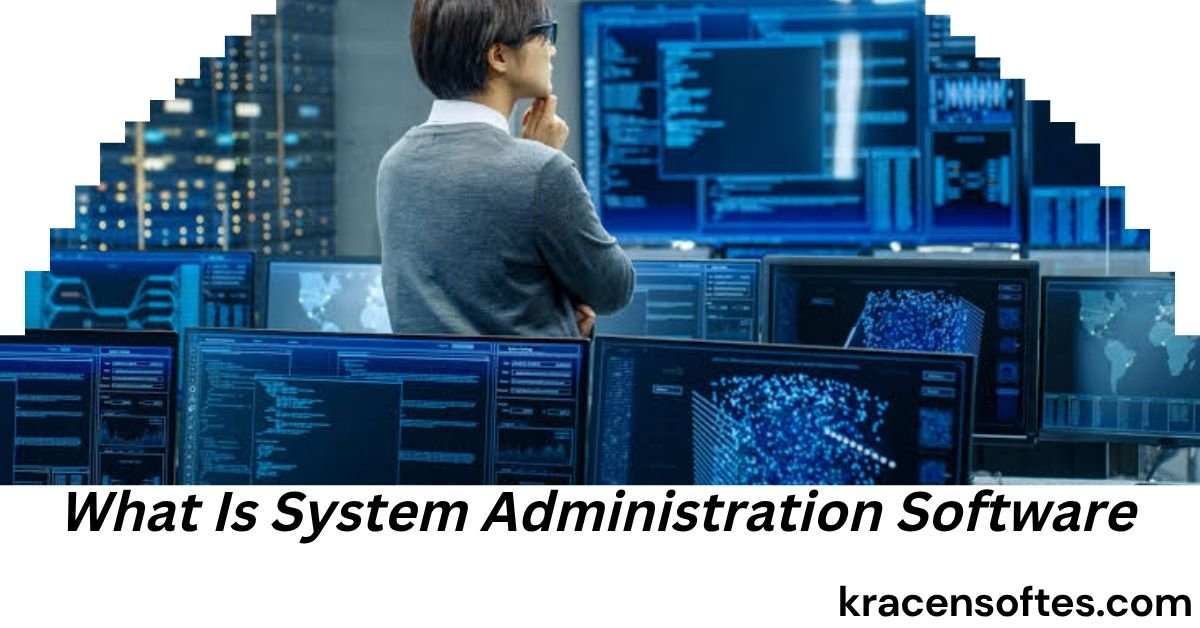
System administration is the foundation of every successful IT environment. Whether you use a personal computer, access cloud applications at work, or browse a company website, system administrators work behind the scenes to keep everything running smoothly. They rely on powerful tools known as system administration software to monitor computers, manage networks, secure data, automate tasks, and solve technical problems.
If you have ever wondered what is system administration software, the simple answer is that it is software designed to help IT professionals install, configure, monitor, maintain, secure, and troubleshoot computer systems and networks from one or more centralized locations.
Today, organizations of every size depend on digital infrastructure. Businesses use servers, cloud platforms, employee devices, databases, applications, and network equipment every day. Managing all of these manually would be nearly impossible. System administration software simplifies these responsibilities by giving administrators centralized control over their IT environments.
This guide explains everything you need to know about system administration software, including how it works, its benefits, features, types, examples, best practices, future trends, and how to choose the right solution for your organization.
What Is System Administration Software?
The exact answer to what is system administration software is that it is a collection of tools that enables IT administrators to manage, monitor, configure, secure, automate, and maintain computer systems, servers, networks, cloud resources, and user accounts.
Instead of visiting every computer individually, administrators can control multiple systems through a single dashboard. This saves time, reduces errors, improves security, and helps organizations operate more efficiently.

Modern system administration software supports both on-premises infrastructure and cloud-based environments. Many organizations now manage thousands of devices spread across different cities or even countries using centralized administration platforms.
The software often includes automation capabilities that reduce repetitive work, allowing IT teams to focus on strategic improvements instead of routine maintenance.
Why System Administration Software Is Important
Technology has become more complex than ever before. Companies now use:
- Physical servers
- Virtual machines
- Cloud infrastructure
- Employee laptops
- Mobile devices
- Remote workers
- Business applications
- Databases
- Storage systems
- Network equipment
Without centralized administration software, managing these resources would require significant manual effort.
System administration software provides a structured way to organize IT operations while reducing downtime and increasing productivity.
Some major reasons businesses rely on these tools include:
- Faster troubleshooting
- Better cybersecurity
- Reduced operational costs
- Centralized management
- Automated maintenance
- Improved compliance
- Better resource monitoring
- Higher system reliability
How System Administration Software Works
Understanding how the software works makes it easier to appreciate its value.
Most solutions operate through a centralized management console.
The software communicates with devices across the network using secure protocols. Some tools require lightweight agents installed on computers, while others operate without agents using remote management technologies.
The typical workflow includes:
- Detect devices connected to the network.
- Collect system information.
- Monitor hardware and software health.
- Apply security policies.
- Install updates.
- Generate alerts.
- Automate repetitive tasks.
- Create reports.
- Back up important configurations.
- Help administrators troubleshoot problems remotely.
This centralized approach dramatically reduces the amount of manual work required.
Core Functions of System Administration Software
Modern platforms include dozens of capabilities. The most important functions include the following.
System Monitoring
Continuous monitoring helps administrators identify issues before users notice them.
The software tracks:
- CPU usage
- Memory consumption
- Disk space
- Network traffic
- Application performance
- Server availability
- Storage utilization
- Hardware health
Real-time monitoring allows IT teams to respond quickly to unusual activity.
Remote Management
Remote administration has become essential because employees often work from different locations.
Administrators can:
- Access computers remotely
- Restart systems
- Install software
- Change settings
- Remove malware
- Troubleshoot problems
- Manage user permissions
Remote management saves travel time and speeds up technical support.
Patch Management
Software updates fix bugs and security vulnerabilities.
Instead of manually updating hundreds of devices, administrators can automate updates using system administration software.
Patch management includes:
- Operating system updates
- Security patches
- Driver updates
- Application updates
- Firmware upgrades
Regular patching significantly reduces cybersecurity risks.
User Management
Businesses often have hundreds or thousands of employees.
Administration software allows IT teams to:
- Create user accounts
- Remove inactive users
- Reset passwords
- Assign permissions
- Manage access rights
- Configure authentication settings
This helps maintain security while simplifying user onboarding.
Performance Optimization
The software continuously analyzes system performance.
It identifies:
- Slow applications
- Overloaded servers
- Memory leaks
- Disk bottlenecks
- Network congestion
Administrators can use these insights to improve efficiency.
Security Management
Security is one of the biggest responsibilities of modern system administrators.
Administration software often includes:
- Firewall management
- Antivirus integration
- Threat detection
- Access control
- Multi-factor authentication support
- Security policy enforcement
- Vulnerability scanning
These features strengthen organizational cybersecurity.
Major Components of System Administration Software
A complete platform usually contains several integrated modules.
Asset Management
Tracks every IT asset including:
- Computers
- Servers
- Monitors
- Routers
- Switches
- Printers
- Mobile devices
- Virtual machines
Asset management helps organizations know exactly what equipment they own.
Configuration Management
Configuration management keeps systems standardized.
Administrators can automatically configure:
- Operating systems
- Applications
- Security policies
- User permissions
- Network settings
Standardization reduces compatibility issues.
Automation Engine
Automation eliminates repetitive work.
Examples include:
- Scheduled backups
- Automatic updates
- User account creation
- System cleanup
- Disk maintenance
- Log collection
- Report generation
Automation improves consistency while reducing human error.
Logging and Reporting
Every administrative action is recorded.
Reports help organizations:
- Audit system activity
- Meet compliance requirements
- Analyze performance
- Investigate incidents
- Improve decision-making
Historical data is valuable for identifying long-term trends.
Types of System Administration Software
Different organizations require different administration tools.
Server Administration Software
Focuses on managing physical and virtual servers.
Features include:
- Server monitoring
- Service management
- Resource allocation
- Backup scheduling
- Performance analysis
Network Administration Software
Designed for managing network infrastructure.
Also Read: What Is an ELA Software? The Complete Guide to English Language Arts Software
Typical capabilities include:
- Switch monitoring
- Router management
- Bandwidth analysis
- Traffic monitoring
- Network mapping
- Device discovery
Cloud Administration Software
Cloud computing has changed IT management significantly.
Cloud administration platforms help manage:
- Virtual machines
- Cloud storage
- Containers
- Cloud security
- Resource allocation
- Cloud networking
Endpoint Management Software
Endpoints include laptops, desktops, tablets, and mobile devices.
These tools allow administrators to:
- Install software remotely
- Apply updates
- Configure security
- Lock compromised devices
- Monitor hardware health
Identity Management Software
Identity management focuses on controlling user access.
Functions include:
- Single sign-on
- Password management
- Role-based access
- Identity verification
- Multi-factor authentication
Key Features to Look For
Choosing the right software depends on business needs, but several features are considered essential.
Centralized Dashboard
A single dashboard allows administrators to monitor the entire infrastructure from one place.
Real-Time Alerts
Immediate notifications help administrators respond quickly to:
- Server failures
- Security threats
- Storage shortages
- Hardware problems
- Network outages
Automation
Automation reduces repetitive work while improving consistency.
Look for:
- Scheduled tasks
- Automatic patching
- Script execution
- Workflow automation
Scalability
The software should continue performing well as your organization grows.
A scalable solution supports:
- Additional users
- More devices
- Multiple locations
- Cloud expansion
Security Controls
Strong security features should include:
- Encryption
- Authentication
- Audit logs
- Access controls
- Role management
Reporting Tools
Custom reports help measure:
- Device health
- User activity
- Compliance
- Software inventory
- Security status
Benefits of System Administration Software
Organizations experience many measurable benefits after implementing professional administration tools.
Improved Productivity
Automation reduces repetitive work.
Administrators spend more time improving systems instead of performing manual maintenance.
Reduced Downtime
Continuous monitoring identifies issues before they become major outages.
Faster response means employees remain productive.
Better Security
Automated updates and centralized security policies significantly reduce vulnerabilities.
Lower IT Costs
Automation decreases labor costs while preventing expensive system failures.
Simplified Compliance
Many industries require detailed records of system activity.
Administration software automatically generates audit logs and compliance reports.
Enhanced User Experience
Employees benefit from:
- Faster technical support
- Reliable systems
- Better application performance
- Reduced interruptions
Who Uses System Administration Software?
Many industries rely on these tools every day.
Common users include:
- IT departments
- Managed service providers
- Educational institutions
- Healthcare organizations
- Government agencies
- Financial institutions
- Manufacturing companies
- Retail businesses
- Technology companies
- Data centers
Even small businesses benefit from centralized administration software as they grow.
Real-World Example
Imagine a company with 500 employees working from different states.
Without administration software, updating every laptop manually could take weeks.
With centralized management:
- Updates deploy automatically overnight.
- Security policies apply instantly.
- Failed devices generate alerts.
- Reports show update status.
- Remote support resolves issues quickly.
This reduces downtime, saves money, and improves employee productivity.
Common Challenges Without System Administration Software
Organizations that rely on manual management often experience:
- Slow troubleshooting
- Inconsistent configurations
- Missed software updates
- Security vulnerabilities
- Higher operational costs
- Limited visibility
- Increased downtime
- Human error
As IT environments grow, these challenges become more severe.
Best Practices for Using System Administration Software
Organizations achieve better results by following proven practices.
Always keep the software updated with the latest security patches.
Automate repetitive maintenance tasks whenever possible.
Use role-based permissions so employees only access the systems they need.
Review monitoring dashboards every day to detect issues early.
Regularly back up configuration settings before making major changes.
Test updates in a controlled environment before deploying them across the organization.
Maintain clear documentation of administrative procedures.
Review reports regularly to identify trends and improve system performance.
Advanced Automation in System Administration Software
Automation has transformed how IT departments operate. Years ago, administrators spent hours performing repetitive tasks such as creating user accounts, installing updates, checking server health, and generating reports. Today, system administration software can complete many of these tasks automatically.
Automation improves consistency because every task follows the same predefined process. It also reduces human error, which is one of the leading causes of system failures and security incidents.
Common automated tasks include:
- Operating system updates
- Software deployment
- User account provisioning
- Password resets
- Scheduled backups
- Disk cleanup
- Log management
- Security scans
- Performance monitoring
- Service restarts
- Configuration changes
- Compliance reporting
For example, instead of manually installing updates on 1,000 computers, an administrator can create one automated policy that deploys updates during non-business hours. Employees arrive the next morning with fully updated systems, minimizing downtime and improving security.
Automation also supports disaster recovery by automatically backing up important configurations and restoring systems when failures occur.
Artificial Intelligence and Machine Learning in System Administration Software
Artificial intelligence (AI) has become one of the most important advancements in modern IT management. Many system administration software solutions now use AI and machine learning to improve monitoring, security, and operational efficiency.
Rather than simply collecting data, AI analyzes large amounts of information to identify unusual behavior, predict failures, and recommend solutions before problems become serious.
Some practical AI capabilities include:
- Predictive maintenance
- Intelligent alert prioritization
- Automated incident detection
- Capacity forecasting
- Security threat analysis
- Root cause identification
- Automated ticket classification
- Performance optimization recommendations
For example, if a server normally uses 40% CPU but suddenly increases to 95% every afternoon, AI can recognize the unusual pattern, investigate possible causes, and notify administrators before users experience slow performance.
ALso Read:What Is Agile Software Development? A Complete Beginner’s Guide
As AI technology continues to improve, system administration software will become even more proactive, allowing IT teams to prevent problems rather than simply responding to them.
Cloud-Based System Administration Software
Cloud computing has significantly changed how organizations manage their IT infrastructure. Instead of installing administration software on local servers, many businesses now use cloud-based platforms.
Cloud administration software allows administrators to manage systems from almost anywhere with an internet connection.
Advantages include:
- Remote access
- Lower hardware costs
- Automatic software updates
- Faster deployment
- Easier scalability
- High availability
- Simplified maintenance
Cloud solutions are especially useful for organizations with remote employees, multiple office locations, or hybrid work environments.
However, businesses should carefully evaluate cloud providers to ensure they meet security, privacy, and compliance requirements.
On-Premises vs Cloud System Administration Software
Choosing between on-premises and cloud-based software depends on business needs.
On-Premises Software
Advantages include:
- Complete control over infrastructure
- Greater customization
- Local data storage
- Easier compliance for certain industries
Disadvantages include:
- Higher upfront costs
- More maintenance responsibilities
- Hardware management
- Longer deployment time
Cloud-Based Software
Advantages include:
- Lower initial investment
- Automatic updates
- Easy remote access
- Fast implementation
- Flexible scaling
Disadvantages include:
- Internet dependency
- Subscription costs
- Limited customization in some platforms
- Vendor dependency
Many organizations now use a hybrid approach that combines both cloud and on-premises management.
How Businesses Choose the Right System Administration Software
Selecting the right solution requires careful planning. The most expensive product is not always the best option.
Consider the following factors before making a decision.
Organization Size
Small businesses often need simple management tools, while large enterprises require advanced automation, reporting, and security features.
Supported Operating Systems
Ensure the software supports all operating systems used within your organization, including Windows, Linux, macOS, and mobile devices if necessary.
Scalability
The platform should continue performing well as your business grows. Expanding infrastructure should not require replacing the software.
Ease of Use
A clean and intuitive interface reduces training time and increases productivity.
Automation Features
Look for software that automates routine administrative tasks to reduce manual work.
Security
Strong security features should include encryption, access controls, audit logs, and support for multi-factor authentication.
Integration
Modern businesses use many different tools. Good administration software integrates with:
- Directory services
- Cloud platforms
- Security software
- Help desk systems
- Backup solutions
- Monitoring platforms
Vendor Support
Reliable technical support, regular updates, documentation, and active user communities provide long-term value.
Popular Examples of System Administration Software
Many organizations use professional administration platforms to manage their IT environments. Some of the most widely recognized categories include:
Remote Monitoring and Management (RMM) Tools
These platforms help administrators monitor, maintain, and troubleshoot devices remotely.
Configuration Management Tools
These solutions automate server configuration and software deployment across large environments.
Identity and Access Management Platforms
These systems simplify user authentication, authorization, and access control.
Network Monitoring Platforms
These tools monitor network performance, bandwidth usage, and device availability.
Endpoint Management Solutions
These platforms manage employee computers, laptops, tablets, and mobile devices from a central dashboard.
Different organizations may combine several of these tools to create a complete system administration strategy.
Common Mistakes Organizations Make
Even with advanced software, poor management practices can create problems.
Some common mistakes include:
Ignoring software updates
Outdated administration software may contain security vulnerabilities that attackers can exploit.
Using excessive administrator privileges
Employees should receive only the permissions necessary for their roles.
Not monitoring alerts
Ignoring warning notifications can allow small issues to become major outages.
Poor documentation
Without documentation, troubleshooting becomes slower and knowledge is lost when staff members leave.
Lack of backups
Configuration backups make recovery much faster after hardware failures or cyberattacks.
Over-automation
Automation should always be tested carefully before deployment to avoid unintended system changes.
Failure to train staff
Even the best software requires knowledgeable administrators who understand its capabilities.
Security Best Practices
Security should always be a top priority.
Organizations should:
- Enable multi-factor authentication.
- Review administrator accounts regularly.
- Apply security updates promptly.
- Encrypt sensitive information.
- Monitor login activity.
- Remove inactive user accounts.
- Perform regular vulnerability assessments.
- Audit administrative actions.
- Restrict privileged access.
- Maintain secure backups.
Combining these practices with quality system administration software significantly strengthens an organization’s cybersecurity posture.
The Future of System Administration Software
Technology continues to evolve rapidly. Several trends are expected to shape the future of system administration.
Greater AI Integration
AI will increasingly automate troubleshooting, predict hardware failures, optimize performance, and recommend infrastructure improvements.
Autonomous IT Operations
Future systems may automatically detect, diagnose, and repair many common problems without human intervention.
Expanded Cloud Management
As cloud adoption grows, administration platforms will provide deeper visibility across multi-cloud and hybrid environments.
Zero Trust Security
Modern administration software will continue integrating Zero Trust principles, verifying every user and device before granting access.
Unified IT Management
Organizations increasingly prefer platforms that combine endpoint management, network monitoring, cloud administration, identity management, security, and reporting into one interface.
Improved Automation
Automation workflows will become more intelligent, allowing businesses to create sophisticated processes with minimal manual configuration.
Better User Experience
Future administration software will emphasize easier interfaces, visual dashboards, customizable reporting, and simplified management for administrators at every skill level.
Final Thoughts
Understanding what is system administration software is essential for anyone working with modern technology. Businesses today rely on complex IT environments that include servers, cloud services, networks, employee devices, applications, and cybersecurity systems. Managing these resources manually is inefficient, expensive, and increasingly risky.
System administration software provides the centralized tools needed to monitor infrastructure, automate routine tasks, improve security, reduce downtime, and support business growth. Whether an organization has ten computers or ten thousand, these platforms make IT management more organized, reliable, and scalable.
As technologies such as artificial intelligence, cloud computing, automation, and Zero Trust security continue to evolve, system administration software will become even more powerful. Organizations that invest in the right tools and follow best practices will be better prepared to maintain secure, efficient, and resilient IT operations.
Choosing the right solution is not simply about managing computers. It is about creating an IT environment that supports productivity, protects valuable data, and enables long-term business success.
Frequently Asked Questions (FAQs)
What is system administration software used for?
System administration software is used to manage, monitor, secure, configure, and maintain computers, servers, networks, cloud environments, and user accounts from a centralized platform.
Who needs system administration software?
Businesses of all sizes, educational institutions, healthcare providers, government agencies, managed service providers, and nonprofit organizations benefit from using system administration software.
Can small businesses use system administration software?
Yes. Many solutions are designed specifically for small businesses and offer affordable pricing, simple interfaces, and essential management features.
Does system administration software require programming knowledge?
Not always. Many modern platforms provide graphical dashboards and automation tools that require little or no programming experience. However, scripting knowledge can help administrators perform advanced tasks.
Is system administration software only for Windows?
No. Many platforms support multiple operating systems, including Windows, Linux, macOS, and mobile operating systems.
How does system administration software improve cybersecurity?
It improves security by automating updates, enforcing security policies, monitoring suspicious activity, managing user permissions, and helping administrators respond quickly to threats.
Can system administration software manage cloud infrastructure?
Yes. Many modern solutions support public, private, and hybrid cloud environments, allowing administrators to manage cloud resources alongside on-premises systems.
How often should system administration software be updated?
Updates should be installed as soon as they are tested and approved, especially when they include important security fixes or performance improvements.
What skills should a system administrator have?
A successful system administrator should understand operating systems, networking, cybersecurity, cloud computing, troubleshooting, automation, backup strategies, and user management. Strong communication and problem-solving skills are also valuable.
What is the biggest advantage of using system administration software?
The biggest advantage is centralized control. Administrators can efficiently manage multiple systems, automate repetitive tasks, improve security, reduce downtime, and increase overall productivity from a single management platform.