
If you have ever asked yourself, “how can i uninstall software on mac,” you are not alone. Every Mac user eventually reaches a point where they need to remove applications that are no longer useful. Whether you want to free up storage space, improve your Mac’s performance, remove unwanted software, or prepare your computer for resale, uninstalling applications correctly is an important part of maintaining your Mac.
Many people assume that dragging an application to the Trash completely removes it. While this works for some apps, many programs leave behind hidden files, preferences, caches, logs, and support files that continue taking up valuable storage space. Over time, these leftover files can accumulate and make your Mac less organized.
The good news is that macOS offers several safe ways to uninstall software. Depending on how the application was installed, you may only need a few clicks, or you may need to remove additional files for a complete cleanup.
This comprehensive guide explains everything you need to know about how can i uninstall software on mac. You’ll learn multiple uninstall methods, discover how to remove stubborn apps, understand where leftover files are stored, and find expert tips to keep your Mac running smoothly.
Why You May Want to Uninstall Software on Your Mac
Every Mac eventually collects applications that are no longer needed. Removing them offers several benefits beyond simply creating more storage space.
Common reasons include:
- Free up disk storage
- Improve system organization
- Remove outdated software
- Eliminate incompatible applications
- Fix software problems
- Remove trial versions
- Delete games you no longer play
- Prepare your Mac before selling it
- Improve startup performance
- Reduce background processes
Regularly reviewing installed applications helps keep your Mac cleaner and easier to manage.
Understanding How macOS Handles Applications
Before learning how can i uninstall software on mac, it’s helpful to understand how macOS stores applications.
Unlike many Windows programs that rely heavily on the system registry, Mac applications are generally self-contained. Most apps are stored inside the Applications folder.
However, applications often create additional files elsewhere, including:
- Preferences
- Cache files
- Saved application states
- Logs
- Containers
- Support files
- User settings
Deleting only the main application may leave these extra files behind.
Knowing this difference helps you completely remove unwanted software.
Method 1: Uninstall Software Using Finder
This is the easiest and most common uninstall method.
Step 1
Open Finder.
Step 2
Click Applications from the left sidebar.
Step 3
Locate the application you want to remove.
Step 4
Drag the application into the Trash.
You can also:
- Right-click the application.
- Select Move to Trash.
Step 5
Empty the Trash.
Once the Trash is emptied, the application itself is removed.
This method works well for many simple applications.
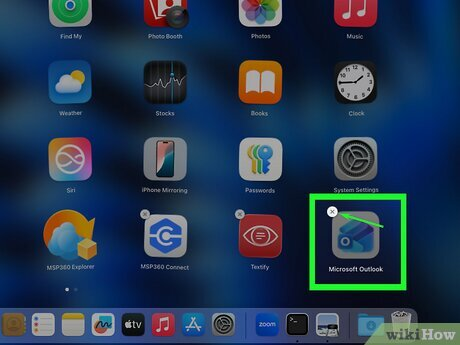
Method 2: Delete Apps from Launchpad
If the application came from the Mac App Store, Launchpad provides another simple removal method.
Step 1
Open Launchpad.
Step 2
Find the application.
Step 3
Click and hold the app until the icons begin to shake.
Step 4
Click the small X button.
Step 5
Confirm deletion.
This method is only available for apps that support Launchpad removal.
Method 3: Use the Built-In Uninstaller
Some developers include their own uninstall utility.
Examples include:
- Adobe software
- Microsoft Office components
- Antivirus programs
- Creative software
- Developer tools
These uninstallers remove more than just the application itself.
Usually, you can find the uninstaller inside:
- Applications
- Application folder
- Utilities folder
- Installer package
Whenever an official uninstaller is available, it is often the safest choice.
Method 4: Remove Leftover Files Manually
Many users searching “how can i uninstall software on mac” actually want to completely erase every trace of an application.
After deleting the main app, additional files may remain.
These files commonly exist inside the Library folder.
Typical locations include:
- ~/Library/Application Support
- ~/Library/Caches
- ~/Library/Preferences
- ~/Library/Logs
- ~/Library/Containers
- ~/Library/Saved Application State
To access the Library folder:
- Open Finder.
- Click Go.
- Hold the Option key.
- Select Library.
Search for folders matching the application’s name or developer.
Delete only files that clearly belong to the removed application.
Be careful not to remove files belonging to other software.
Method 5: Use Storage Management
macOS includes built-in storage management features.
To access them:
- Open Apple menu.
- Choose System Settings.
- Select General.
- Click Storage.
Here you can:
- Review installed applications
- See storage usage
- Delete unnecessary apps
- Identify large programs
This tool helps users quickly discover software consuming significant storage space.
How to Remove Apps Installed Outside the App Store
Many professional applications are downloaded directly from developer websites.
Examples include:
- Google Chrome
- Firefox
- VLC Media Player
- Zoom
- Visual Studio Code
- Docker Desktop
- Slack
- Discord
Most can simply be moved to the Trash.
However, checking the developer’s website for uninstall instructions is always recommended because some programs install additional services.
How to Uninstall Large Professional Applications
Professional software usually installs multiple components.
Examples include:
- Adobe Creative Cloud
- Autodesk software
- Microsoft Office
- VMware Fusion
- Parallels Desktop
- Xcode
- Android Studio
These applications often create:
- Shared libraries
- System services
- Plug-ins
- Helper tools
- Frameworks
Simply deleting the application may leave gigabytes of files behind.
Using the official uninstall tool usually produces the cleanest results.
How to Remove Stubborn Applications
Sometimes an application refuses to delete.
Common reasons include:
- The app is currently running.
- A background process is active.
- The application is protected.
- Permissions prevent deletion.
Try these steps:
- Quit the application completely.
- Restart your Mac.
- Try deleting again.
- Check Activity Monitor for running processes.
- End related tasks.
- Retry removal.
In most situations, this solves the problem.
How to Force Quit Before Uninstalling
Applications that remain open cannot usually be deleted.
To force quit:
- Click the Apple menu.
- Choose Force Quit.
- Select the application.
- Click Force Quit.
You can also open Activity Monitor to stop hidden background processes.
Also Read: What Is Software Architecture? A Complete Beginner’s Guide to Modern Software Architecture
Once closed, uninstall the application normally.
Can You Delete Built-In macOS Apps?
Many built-in Apple applications are protected.
Examples include:
- Safari
- Messages
- FaceTime
- Photos
- Calendar
- Music
Some system apps cannot be removed because they are essential to macOS.
Others can be removed depending on your macOS version.
If an app cannot be deleted, macOS will simply prevent the action.
There is usually no need to force removal of built-in software since these apps occupy relatively little space and are integrated into the operating system.
Should You Use Third-Party Uninstaller Software?
Some users prefer dedicated uninstall tools because they automatically locate leftover files.
These utilities can:
- Scan for hidden files
- Remove caches
- Delete preferences
- Find support folders
- Clean unused data
While these tools can save time, they should be downloaded only from trusted developers. Avoid unknown “cleaner” applications that promise unrealistic performance improvements, as some may remove files that are still needed.
For most users, the built-in macOS methods are sufficient when combined with careful manual cleanup.
Common Mistakes to Avoid When Uninstalling Software
Many uninstall problems happen because users rush through the process.
Avoid these common mistakes:
- Deleting applications while they are still running
- Removing random files from the Library folder without checking ownership
- Forgetting to empty the Trash after moving an app there
- Assuming every app can be deleted from Launchpad
- Ignoring official uninstall tools provided by software developers
- Removing system applications that macOS relies on
- Downloading unreliable “Mac cleaner” programs from unknown websites
Following safe uninstall practices helps prevent accidental data loss and keeps your Mac stable.
Does Uninstalling Software Make Your Mac Faster?
This is one of the most common questions from users searching “how can i uninstall software on mac.”
The answer depends on the application.
Simply deleting an unused app does not automatically make your Mac dramatically faster. However, uninstalling certain software can improve performance if it:
- Runs background services continuously
- Starts automatically when your Mac boots
- Uses significant CPU or memory resources
- Synchronizes files constantly
- Installs browser extensions or helper processes
Removing these types of applications can reduce system load, improve startup time, and free valuable storage space.
How to Find Hidden Files Left Behind by Uninstalled Apps
One of the biggest misunderstandings about removing applications is believing that deleting the app icon removes everything. In reality, many applications create extra files that remain on your Mac even after the main program is gone.
These leftover files usually do not cause problems, but they can slowly consume storage space over months or years.
Common leftover files include:
- Application preferences
- Cache files
- Log files
- Saved user settings
- Temporary files
- Support folders
- Database files
- User-generated configuration files
If you want a complete uninstall, it is worth checking for these items after removing the application.
Where Are Application Support Files Stored?
macOS stores additional application data in several locations. The most common places include:
- Library/Application Support
- Library/Caches
- Library/Preferences
- Library/Logs
- Library/Containers
- Library/Group Containers
- Library/Saved Application State
For example, if you uninstall a photo editing application, you may still find folders containing custom settings, presets, or cached thumbnails.
Deleting these files can recover storage space, but always verify that they belong to the software you removed.
How to Remove Login Items After Uninstalling Software
Some applications automatically launch every time your Mac starts.
Even after uninstalling the main application, login items may remain if they were not removed correctly.
To review startup applications:
- Open System Settings.
- Select General.
- Click Login Items.
- Review the list.
- Remove unnecessary items.
Cleaning your login items can help your Mac boot faster and reduce background activity.
Check Background Processes
Some software installs helper services that continue running in the background.
Examples include:
- Cloud synchronization tools
- Backup software
- Security software
- Developer environments
- Virtual machine software
Open Activity Monitor to see active processes.
If a process belongs to software you already removed, restart your Mac first. If it still appears, check whether additional uninstall steps are required.
How to Remove Browser Extensions Installed by Software
Many desktop applications install browser extensions.
Examples include:
- Password managers
- Download assistants
- Shopping tools
- Security extensions
- Productivity add-ons
After uninstalling the application, open your web browser and review installed extensions.
Removing unused extensions helps improve browser speed and security.
How to Uninstall Software Installed with Package Installers
Some Mac software uses installer packages instead of drag-and-drop installation.
These packages may install files in multiple locations across the system.
Examples include:
- Printer drivers
- Audio plugins
- Programming tools
- Enterprise software
- Security utilities
Because these installations are more complex, developers often provide official uninstall instructions. Always check the software documentation before manually deleting files.
How to Uninstall Apps Installed Through Homebrew
Many developers install software using Homebrew, a popular package manager for macOS.
If you installed software with Homebrew, it is best to remove it using Homebrew rather than deleting files manually.
This approach ensures that related package information is updated correctly and helps avoid leaving unnecessary components behind.
Using the same installation method for removal is generally considered the safest practice.
How to Uninstall Antivirus Software on Mac
Antivirus applications often integrate deeply with macOS.
They may install:
- System extensions
- Background monitoring services
- Network filters
- Security permissions
Because of these integrations, simply moving the app to the Trash is usually not enough.
Most antivirus developers provide a dedicated uninstall tool that removes all related components safely.
Using the official removal process reduces the risk of leftover security services continuing to run.
How to Uninstall Adobe Creative Cloud Applications
Adobe applications are among the largest programs installed on many Macs.
Creative Cloud software often includes:
- Shared libraries
- Fonts
- Licensing services
- Synchronization tools
- Background processes
Adobe recommends uninstalling applications through the Creative Cloud desktop app or the official Adobe uninstallers. This helps remove associated components while protecting files used by other Adobe applications.
How to Remove Microsoft Office from a Mac
Microsoft Office includes several applications such as Word, Excel, PowerPoint, Outlook, and OneNote.
If you want to remove the entire Office suite:
- Delete the Office applications.
- Remove related support files if they are no longer needed.
- Remove login items or background services if applicable.
If you plan to reinstall Office later, you may choose to keep certain user documents and templates.
How to Delete Games from Your Mac
Games can consume significant storage because they often include:
- High-resolution graphics
- Downloaded updates
- Saved game files
- Additional downloadable content
Deleting the game application may not remove saved progress.
If you want a complete uninstall, check for saved data stored in the Library folder or cloud synchronization settings.
What Happens When You Empty the Trash?
Moving an application to the Trash does not immediately free storage space.
The application remains on your Mac until the Trash is emptied.
After emptying the Trash:
- Storage becomes available.
- The application is no longer accessible.
- Recovery becomes more difficult without backup software.
Before emptying the Trash, verify that you are not deleting anything important.
Can You Recover an Uninstalled Application?
Yes, in many situations.
Recovery options include:
- Restoring from Time Machine backups.
- Reinstalling from the Mac App Store.
- Downloading the latest version from the developer.
- Restoring from another backup solution.
If only the application was removed, your documents and personal files may still remain unless you deleted them separately.
Signs That an App Was Not Completely Removed
After uninstalling software, watch for these signs:
- The app still appears in Login Items.
- Background processes continue running.
- Notifications still appear.
- Browser extensions remain active.
- Large support folders still occupy storage.
- Menu bar icons remain visible.
- Error messages appear during startup.
These signs usually indicate that additional cleanup is needed.
Also Read: What Is Software Architecture? A Complete Beginner’s Guide to Modern Software Architecture
Best Practices Before Uninstalling Software
Following a few simple precautions can prevent problems later.
Before uninstalling an application:
- Save important documents.
- Export custom settings if needed.
- Sign out of licensed software when appropriate.
- Back up important data.
- Close the application completely.
- Read the developer’s uninstall instructions for complex software.
A few minutes of preparation can save hours of troubleshooting.
How Often Should You Remove Unused Applications?
There is no strict schedule, but reviewing installed software every few months is a good habit.
Ask yourself:
- Have I used this app recently?
- Do I still need it?
- Is there a newer replacement?
- Is it consuming unnecessary storage?
- Does it run in the background?
Removing applications you no longer use keeps your Mac organized and easier to manage.
Expert Tips for Keeping Your Mac Clean After Uninstalling Apps
Maintaining your Mac is about more than deleting software. These simple habits can help your system stay efficient over time:
- Review installed apps every few months.
- Empty the Trash regularly.
- Remove old downloads you no longer need.
- Check Storage settings to identify large files.
- Update macOS and your applications to benefit from performance and security improvements.
- Keep only the software you actively use.
- Avoid installing unnecessary utilities that promise unrealistic performance boosts.
A well-maintained Mac is often easier to troubleshoot and generally provides a smoother user experience.
Common Questions About Uninstalling Software on Mac
Many users have similar concerns when removing applications. Here are a few quick answers:
- Deleting an app does not usually remove your personal documents unless they are stored inside the app itself.
- Most Mac App Store apps can be removed through Launchpad or Finder.
- Built-in Apple apps may be protected and cannot always be removed.
- Leftover files are usually safe to delete only if they clearly belong to the application you uninstalled.
- Restarting your Mac after uninstalling complex software can help complete the removal process.
Conclusion
If you’ve been wondering, “how can i uninstall software on mac,” the process is usually straightforward, but doing it properly requires understanding how macOS stores applications and their related files.
For many apps, dragging the application to the Trash and emptying it is enough. However, larger or more advanced software may leave behind support files, caches, preferences, background services, or login items. Taking a few extra minutes to remove these components can free additional storage, reduce clutter, and keep your Mac running efficiently.
The best uninstall method depends on how the software was installed. Applications from the Mac App Store are easy to remove through Launchpad, while professional tools such as antivirus programs, Adobe Creative Cloud, or development software often include official uninstallers that should be used whenever available.
By regularly reviewing installed applications, removing software you no longer need, and following safe uninstall practices, you can maintain a cleaner, more organized Mac that performs reliably for years.
Frequently Asked Questions
Can I uninstall software on a Mac without administrator access?
In most cases, no. Applications installed for all users generally require an administrator password to uninstall.
Will uninstalling an app delete my documents?
Usually not. Personal documents are typically stored separately unless they are saved inside the application’s own folders.
Is moving an app to the Trash enough?
For many simple applications, yes. However, larger applications may leave behind support files and settings that you can remove manually or with the developer’s official uninstaller.
Can uninstalling software fix application errors?
Yes. Reinstalling an application after a clean uninstall can resolve issues caused by corrupted files or outdated settings.
How do I know if an app has an official uninstaller?
Check the application’s folder in the Applications directory or visit the developer’s support website. Many professional software vendors provide dedicated uninstall tools.
Should I remove cache files after uninstalling an app?
If the cache files clearly belong to the uninstalled application and you no longer need them, removing them can recover storage space.
Why can’t I delete some apps on my Mac?
The application may still be running, be protected by macOS, require administrator permissions, or be an essential system app.
Can I reinstall an app after uninstalling it?
Yes. Most applications can be reinstalled from the Mac App Store or the developer’s official website whenever needed.
Do leftover files slow down my Mac?
A small number of leftover files usually has little impact on performance, but over time, many unused files can contribute to storage clutter and make file management more difficult.
What is the safest way to uninstall professional software?
Use the official uninstaller provided by the software developer whenever one is available. This ensures that related components, services, and support files are removed correctly.