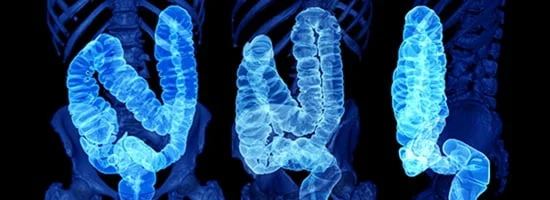
Colon cancer, also known as colorectal cancer, begins in the large intestine, which is the final part of the digestive tract. This type of cancer often starts as small, noncancerous clumps of cells, called polyps, that form on the inside of the colon. Some of these polyps can develop into colon cancers. While regular screenings are the most effective tool for prevention, knowing possible symptoms can help with early detection and timely treatments. Here’s information on the signs, symptoms, and treatments for colorectal cancer:
Symptoms of Colon Cancer
In its early stages, colon cancer may not produce any symptoms, which underscores the value of routine screenings. When symptoms do appear, they can vary depending on the cancer’s size and location within the large intestine. If you notice any persistent symptoms that concern you, consult with a healthcare professional to determine the cause.
Potential signs of colorectal cancer may include:
- Bowel Habit Changes: A persistent change in your bowel habits, including diarrhea or constipation, or a change in the consistency of your stool.
- Stool Blood: From rectal bleeding or blood in your stool, which may lead to anemia.
- Abdominal Discomfort: Persistent discomfort, like cramps, gas, or pain.
- Unexplained Weight Loss: Sudden, unusual weight loss.
- Sudden Weakness: Like unexplained energy changes, muscle weakness, or fatigue.
Diagnosis of Colorectal Cancer
Diagnosing colorectal cancer involves several steps, beginning with a thorough review of your medical history and a physical exam. Routine preventive care is the most reliable method for detecting this type of cancer early. Screening tests are recommended for individuals with an average risk of colon cancer, typically starting at age 45 to 50.
A colonoscopy is a common and comprehensive screening method. During this procedure, a long, flexible tube with a camera is used to view the entire colon and rectum. If polyps are found, they can often be removed during the procedure and sent for analysis. Other screening options, like stool-based tests, are also available.
Colorectal cancer screenings are an invaluable tool for early detection and prevention. By identifying precancerous polyps or abnormal growths in the colon or rectum, screenings can help prevent these from developing into cancer. Early-stage colorectal cancer often presents no symptoms, making regular screenings fundamental to catching the disease when it is most treatable.
Treatment of Colorectal Cancer
The approach to treating colon cancer depends on several factors, including the stage of the cancer, its location, and the patient’s overall health. Treatment plans are highly individualized and are developed by a team of medical specialists. For early-stage colon cancer, surgery is often the primary treatment.
The goal of an operation is to remove the cancerous portion of the colon along with nearby lymph nodes. Minimally invasive surgical techniques can be used for some cases. For more advanced cancers, treatment may involve a combination of approaches, including chemotherapy, radiation therapy, and targeted drug therapy. These treatments may be used before surgery to shrink a tumor or after surgery to eliminate any remaining cancer cells.
Schedule an Appointment Today
Understanding the potential indicators of colorectal cancer is a key step in early detection and management. If you are experiencing new symptoms or have questions about your risk for colon cancer, consult with a medical specialist today. Professionals, like gastroenterologists, can guide you on appropriate screening schedules and provide a comprehensive evaluation.